- Isaiah 55:10-13
- Psalm 65: (1-8), 9-14
- Romans 8:1-11
- Matthew 13:1-9,18-23
A good friend of mine once told me, “The map is not the territory.”
You may own a map. You may study it from corner to corner. You may even memorize every road and landmark. But that does not mean you own the land. Nor does it mean you truly know it.
When I read today’s Gospel about the parable of the sower, I immediately remembered those words.
In my early twenties, I was living on my own in Seattle, far away from my family in Japan. I spent many afternoons at my favorite coffee shop, where people from all over the world gathered. We stayed for hours, chain-smoking like chimneys, endlessly refilling our coffee cups, and talking about everything—love, relationships, politics, purpose, religion, and faith. Nobody judged. Everyone was searching for something.
One question kept surfacing.
What does it mean to have faith?
Jewish friends shared their traditions. Buddhist friends explained theirs. Others spoke about the faith they had inherited from their families. Eventually, two Christian friends joined the conversation. One seemed to know the Bible inside and out and answered our questions with confidence. Then another Christian offered a completely different understanding of the very same faith.
I remember thinking, How can two people who believe in Christ see things so differently?
The more I listened, the more confused I became. Eventually I found myself saying, “Maybe I can just be spiritual and not religious.”
That was when my friend quietly replied, “The map is not the territory.”
You can study religions. You can compare Christian traditions. You can collect ideas about God. But you do not truly know the faith until you begin to live it.
At the time, “spiritual but not religious” sounded wonderfully attractive. It felt open-minded, liberating, and free from all the arguments that seemed to divide religious people. Religion, I thought, only put God inside human-made boxes.
But I was wrong.
Looking back, I realized that “spiritual but not religious” had become a way of protecting my own ideas about God. I had become so committed to my personal understanding that I was no longer open to being transformed by God himself. Without realizing it, I had created my own religion—with only one member.
That is why Jesus’ parable speaks to me so deeply.
The sower scatters the same good seed everywhere. The seed is never the problem. The difference is the condition of the soil.
The same is true for us.
Just because we own a Bible does not mean we know Christ. We have to follow him.
Just because we belong to a church does not mean we know the Christian faith. We have to live into it.
Just because we call ourselves Christians does not mean our faith is flourishing if resentment, fear, or old wounds continue to choke what God is trying to grow within us.
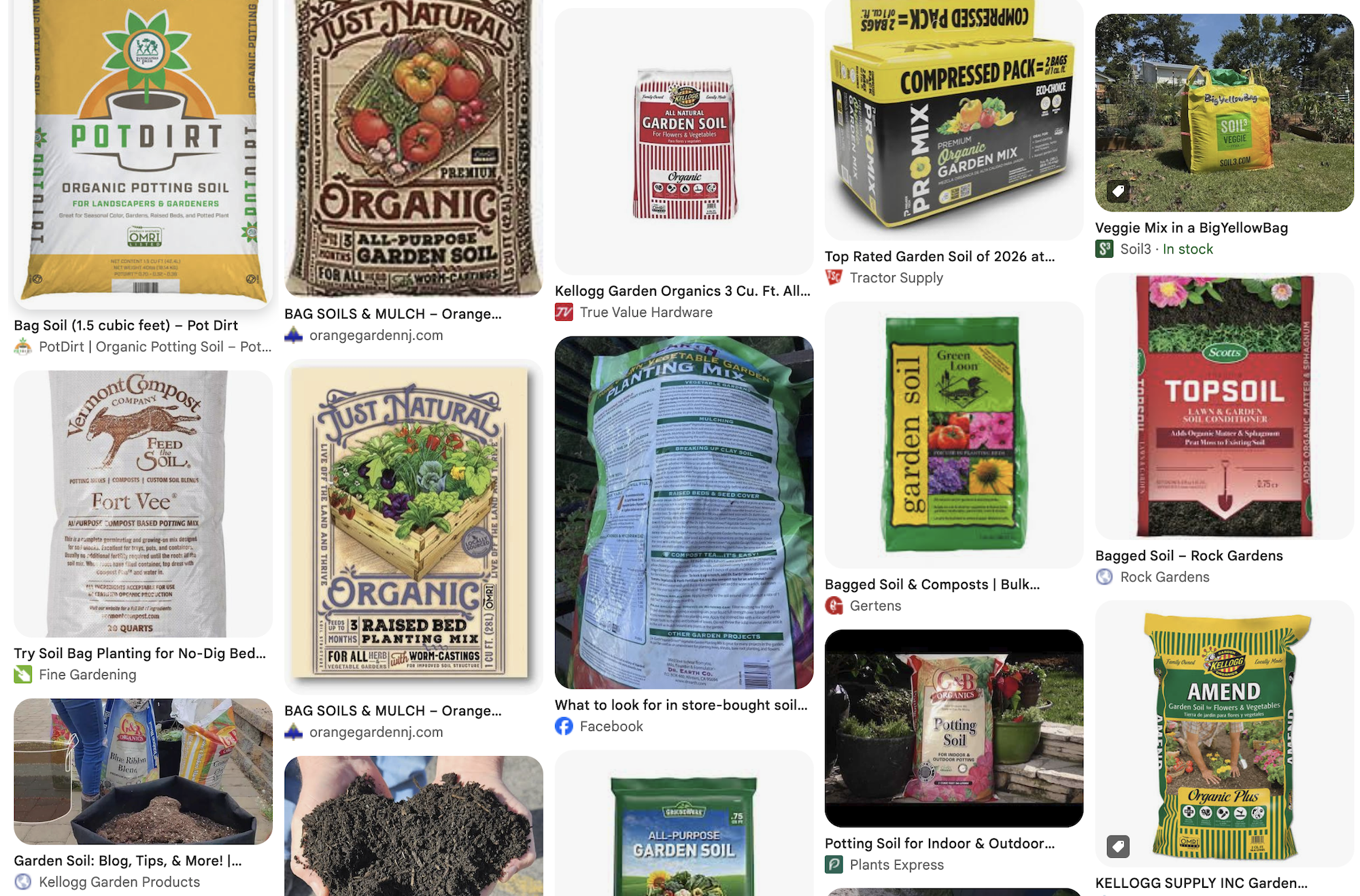
Sometimes we read this parable as though we were shopping at Home Depot, comparing different brands of garden soil. Which one is the richest? Which one is the best value?
But Jesus is not asking us to choose better soil.
He is reminding us that we are the soil.
Some places in our hearts have become hard from pride or certainty. Some are shallow, where faith springs up quickly but never grows deep roots. Some are crowded with worries, disappointments, or distractions that slowly choke new life.
The question is not whether God is still sowing the seed. He is.
Isaiah tells us that God’s word goes out and never returns empty. The psalm celebrates the God who continually waters the earth until it overflows with life. Paul reminds us that the very Spirit who raised Jesus from the dead now lives within us.
God is constantly sowing.
God is constantly watering.
God is constantly giving life.
Our calling is not to manufacture growth. Only God can do that. Our calling is to remain receptive—to let God soften what has become hard, remove what chokes life, and deepen the roots of faith.
Faith is not mastering the map.
Faith is walking the land.
It is allowing Christ, day after day, to cultivate the soil of our hearts until his life begins to bear fruit in us—thirtyfold, sixtyfold, and a hundredfold.
The map is not the territory.
Faith is not something we master from a distance. It is something we step into, trusting that the God who sows the seed is also faithful to bring it to harvest.